
Okay, so check this out—if you care about keeping crypto truly yours, hardware wallets are the non-negotiable piece of the puzzle. Wow! They’re not magic, though. You still need to understand how multi‑currency support, firmware updates, and staking interact with device security. My instinct said “start with the basics,” but then I realized the messy middle matters most: app management, update cadence, and how staking mechanics can expose you to long‑term risks.
Let me be blunt: supporting lots of coins on one device is convenient. It’s also a source of confusion and mistakes. On one hand, you get a single secure seed that controls everything. On the other, each coin has its own rules — accounts, derivation paths, and occasionally, weird app behavior that can surprise you. Initially I thought “just install the apps,” but then I watched someone accidentally overwrite an app and nearly lost access to a token because they hadn’t exported the derivation path properly. Oof.
First, the reality: most modern hardware wallets compartmentalize coin support by using small, signed applications per blockchain. That lets the device handle Ethereum-based tokens differently from UTXO chains. It’s efficient, and it minimizes attack surface when done right. Seriously? Yes. But storage limits on devices mean you’ll be installing and uninstalling apps, which is normal and safe—your seed doesn’t change—but it’s an operational step that deserves respect.
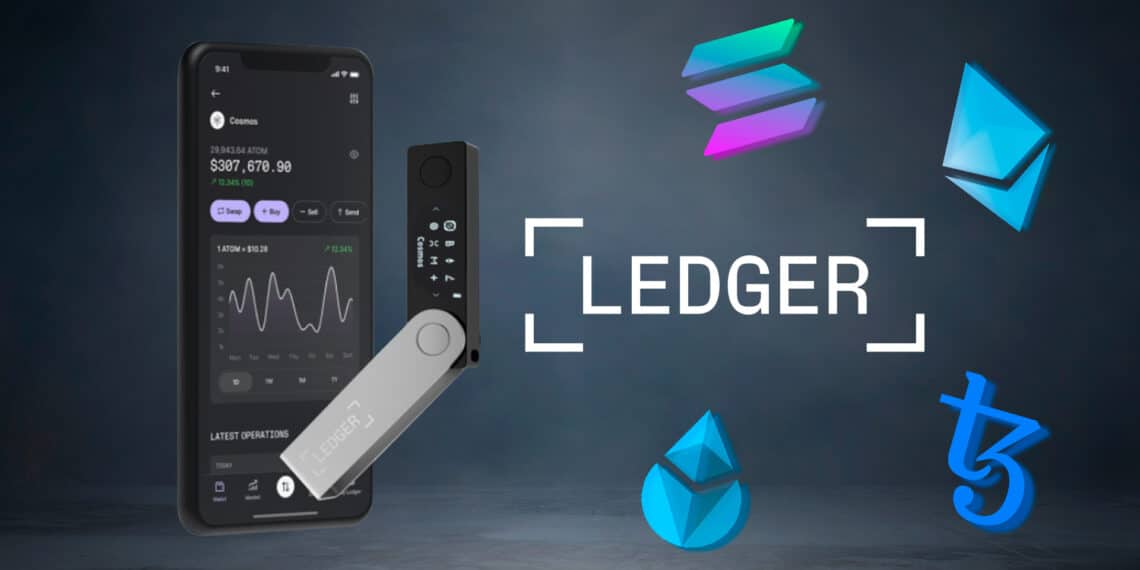
App management and multi‑currency practice
Short answer: don’t pretend your hardware wallet is a software wallet. It’s a secure signer, not a multi‑tab browser. So manage apps deliberately. Install only what you use regularly. If you remove an app to free space, you’re not deleting keys—just the app that presents them. On that note, always confirm the account addresses on the device screen, not just on your computer. My rule: verify on‑device every time. It’s kinda tedious, but it stops the scams that matter.
Also: know the device’s app‑storage model. Some devices allow many apps; others are limited. If you’re juggling 20 different tokens across 6 chains, plan an app workflow—install, sign necessary txs, uninstall. Yep, it’s a small friction, but way better than juggling mnemonic backups because you panicked and factory reset something.
Firmware updates: why they matter and how to do them safely
Firmware updates are the security lifeline. They patch vulnerabilities, add official features, and sometimes change transaction UX. Ignoring them is like ignoring car recalls. Hmm… that sounds dramatic, but it’s true. However, updating carelessly can be risky if you fall for a phishing update or use an unverified file.
Best practice checklist:
- Only update using official tools and sources. Do not sideload firmware from random links. Use the vendor’s official manager or companion app.
- Confirm firmware signatures. Many reputable devices cryptographically sign their firmware. Check the verification step when it’s offered.
- Backup before updating. Your seed phrase should already be safely backed up offline, but double‑check you have it. Seriously—this saved me once.
- Prefer local USB updates via the vendor app rather than anything that asks for seed input. Never type your seed into an app or website.
- Test after update: open a small read‑only balance check, verify addresses, then try a small outgoing tx if you need to be sure.
One practical tip: maintain a small “canary” balance on a device dedicated to testing updates and new integrations. It’s overkill for some, but useful if you run a lot of experiments or large positions.
Staking from a hardware wallet—what changes?
Staking brings yield, but it also adds timelines and additional risk vectors. When you stake directly from a hardware wallet you usually delegate via an on‑chain transaction signed by the device. That’s good: the private keys never leave. But every chain has specifics—lockups, slashing risk, undelegation periods, minimum amounts. On one hand you get protocol rewards. On the other, you accept operational complexity.
Two big choices exist: non‑custodial staking (you keep control via your device) vs custodial staking (an exchange or service stakes for you). Non‑custodial is more secure custody‑wise. Custodial services are more convenient and sometimes offer instant liquidity, though they increase counterparty risk. I’m biased toward non‑custodial for significant amounts, but hey, convenience matters too.
When staking directly with a hardware wallet, watch out for these pitfalls:
- Validator selection: choose reputable validators, check commission rates, uptime, and social proof. Low commission isn’t everything—reliability matters.
- Slashing policies: understand whether the chain has punitive measures for double‑signing or downtime. Know the worst‑case scenarios.
- Unbonding periods: some chains make you wait days or weeks to access unstaked funds. Factor that into liquidity planning.
- Third‑party apps: many staking flows require a dApp or companion app to build a delegation transaction. Use audited, widely‑used tools and verify addresses on‑device.
Tools and workflow: a practical setup
Okay—here’s a workflow that I use and recommend to others.
- Seed safety: create the seed offline, write it down on metal or high‑quality paper stored in separate secure locations. Two‑factor safety in the physical world. No naps with the seed under your pillow.
- Device hygiene: buy hardware from authorized resellers only. Check tamper evidence and seals when it arrives. If something looks off, return it.
- Software: use the vendor’s official companion for firmware updates and app management. For Ledger users, the companion and portfolio management experience is centered on Ledger Live—see ledger live—but always verify URLs and SSL certs. I mention this because many people are comfortable with Ledger Live’s UX for staking and updates.
- Staking steps: pick a validator, create the delegation tx in the dApp or companion app, confirm details on‑device, and watch the tx through a block explorer. Don’t skip on‑device address checks.
- Maintenance: periodically check firmware, review validator performance, and keep a small emergency fund on a hot wallet only if needed.
Common mistakes and how to avoid them
Here’s what bugs me about the community: too many people assume “hardware” equals “set it and forget it.” Not true. Real mistakes I see:
- Using browser extensions without verifying transactions on the device screen. The screen is your last line of defense—use it.
- Backing up to cloud photos or notes. Stop. Offline, multi‑copy, geographically separated backups only.
- Trusting third‑party staking dashboards blindly. Cross‑check via explorers and validator telemetry.
FAQ
Can I stake multiple coins from the same hardware wallet?
Yes. You can stake any supported coin as long as the hardware wallet and companion software support that staking flow. Each chain will have its own mechanics—so handle each delegation transaction carefully and verify on‑device every time.
Is it safe to update firmware right before staking?
Generally yes—keeping firmware current is safer—but don’t update in the middle of a big, time‑sensitive operation. Update, verify the device, then initiate staking once you confirm addresses and balances.
What if I lose my hardware device while staking?
Your seed controls the funds. If you have a secure backup, you can restore to a new device and manage the stake (note: some chains treat restored keys as the same account; others might require re‑delegation). If you lack a backup, recovery is unlikely—so protect that seed first.