
Okay, so check this out—I’ve been living with hardware wallets for years, and Ledger devices keep coming up in every conversation. Wow! They look simple. But simplicity hides complexity. My first impression was: plug it in, sign, done. Initially I thought that getting a hardware wallet meant I could sleep easy. Actually, wait—let me rephrase that: hardware wallets remove a lot of obvious risk, but they don’t make you invincible. On one hand the device isolates your private keys. On the other hand human error and attack surfaces still exist, and those are where most losses happen. Seriously?
Here’s what bugs me about the typical advice out there. People say “use a hardware wallet” and then stop. That’s not enough. Whoa! The firmware on your Ledger is the brain that enforces security. Short firmware checks and careless firmware updates are where things go sideways. My instinct said the device is secure by default, but my experience showed me many users never verify updates properly, or they ignore provenance (oh, and by the way… buying a device off a sketchy auction site is asking for trouble). So yes—firmware discipline matters. Big time. The hard part is that the road from novice to careful custodian is littered with little decisions that compound risk.
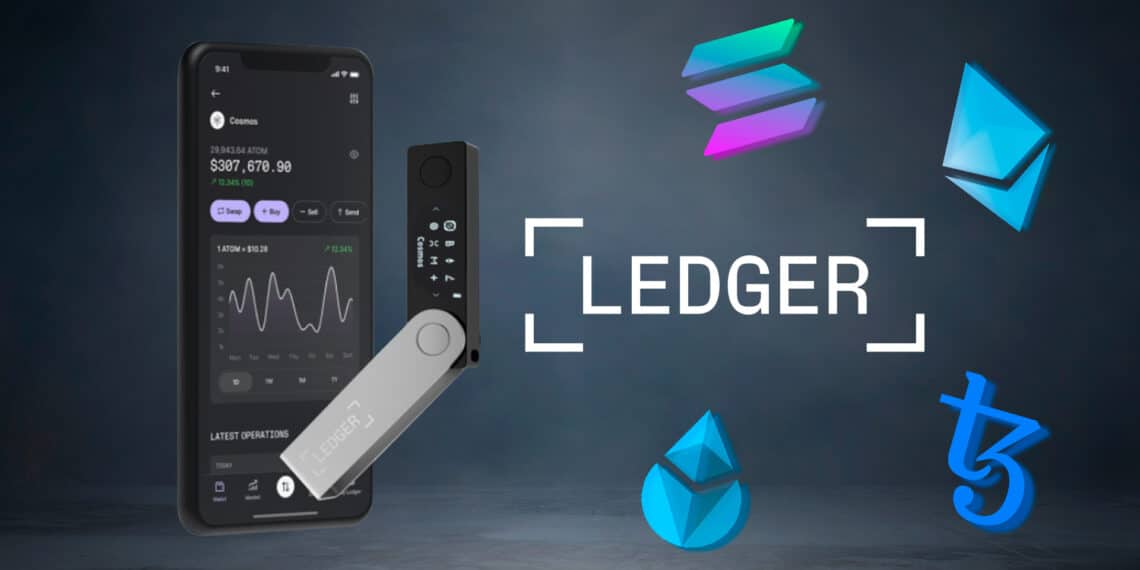
Why firmware updates are not just “annoying” pop-ups
Firmware updates patch bugs and improve features. They can also tighten cryptographic checks and plug vulnerabilities. Hmm… sounds boring until it’s not. If you rush an update or use a spoofed updater, you might be bypassing protections—or worse, installing malicious code. My gut reaction on seeing a weird update prompt was: don’t click. But then I learned to check two things every time: first, that the update is offered through official channels; and second, that the device itself shows the same update fingerprint or confirmation on its screen. On Ledger devices you should confirm messages physically on the device. That step is crucial because the host computer can be compromised even when the device is secure.
Okay. Practical tip: use Ledger’s official companion app rather than random third-party tools. I’ll be honest—I’ve tried other apps while testing, and they often require more trust than they deserve. Use ledger live for updates and management. Yep. One link. One trusted source. If something asks you to paste your seed, stop immediately. Ledger (or any legitimate support) will never ask for your recovery phrase. Seriously.
Verifying firmware: what to watch for
Short checklist. Read it slowly. Breathe.
– Confirm the update originates from the official app and that the device shows the firmware version.
– Verify the device screen prompts and signatures during the process; do not accept blind approvals on the host computer.
– If something seems off—like unexpected passphrase prompts or unfamiliar addresses—stop and disconnect. Really. Pause.
On a technical level, the device’s secure element and attestation mechanism are there to prove a firmware’s identity. But attestation can be bypassed if you ignore what the device is telling you. Initially I treated attestations as magical black boxes. Later I learned to trust the device screen over the desktop. It’s simple logic: if the desktop lies, the hardware (if genuine) should not. This thinking saved me from a phishing setup once; my device showed a mismatched firmware ID and I unplugged immediately. That moment stuck with me.
Protecting private keys: habits that matter
Short sentence. Then a medium one. Then a longer one that ties things together carefully.
Never type your seed into a phone or computer. It’s a non-negotiable rule. Your recovery phrase is the master key—treat it like cash stored under concrete. If someone gets it, they get everything. On a deeper level, think about how you store the seed: paper is vulnerable. Fire and flood will erase paper. Metal backups are better. I’m biased, but using a stainless steel backup (a recognized brand or kit) is worth the cost. It resists fire, water, and the forgetful cat.
Consider a passphrase (an extra BIP39 word) if you need plausible deniability or want segregated vaults, but be careful—if you forget the passphrase, funds are unrecoverable. Initially I wanted passphrases on all my accounts, though actually I scaled back after realizing management complexity introduces human risk. On one hand a passphrase multiplies security layers; on the other hand it multiplies the chance you’ll lock yourself out. Balance is key.
Another thing: set a strong PIN and never reuse it across devices. Seriously? Yes. PINs are the first gate. Use a PIN that’s easy for you to remember but hard for shoulder-surfers and easy camera angles to catch. Also enable the device’s auto-lock features and avoid plugging your Ledger into public or untrusted machines whenever possible. If you must use another computer, use a clean, updated machine and verify everything on-device.
Buying, unboxing, and physical security
Buy from a manufacturer or authorized reseller. No exceptions. Sounds obvious but people buy secondhand all the time and they rationalize the risk. “It’s cheap,” they’ll say. That’s the red flag. If packaging looks resealed or the tamper-evidence seems off, return it. Check the device’s attestation as soon as you power it on; Ledger devices will report their authenticity during the initial setup. I’m not 100% sure every single vendor enforces this perfectly, but it’s a defense you should use.
Also, consider geolocation and delivery risks if you’re storing large amounts. I once shipped a spare device across states and felt uneasy. My solution was to send it in plain packaging and use tracked courier, because attention invites theft sometimes. Weird, but true.
When updates fail or something weird happens
Calm down. Unplug. Breathe. Seriously, don’t panic. If an update aborts mid-way or the device shows errors, don’t re-enter the recovery phrase into anything. Try again with a different, clean machine and the official app. If problems persist, contact official support—but never trust third-party “helpers” on forums who ask for your seed. Ledger’s team will guide you without asking for private keys. If a recovery is required, restore from your secure backup using a device you control. These incidents aren’t common, but being methodical reduces risk significantly.
FAQ
How often should I update firmware?
Update when an official patch is released, but don’t rush to be first. Wait a few days to see community feedback if you’re handling large balances. Keep smaller test wallets updated early if you’re curious, and then update your main device once the release proves stable.
Can Ledger be hacked?
No system is perfect, though Ledger’s architecture isolates private keys well. Most real-world losses are due to seed compromise, phishing, or physical tampering. Protect your seed, validate firmware, and verify transactions on-device to mitigate the majority of risks.
What if I lose my device?
You recover funds with your recovery phrase on a new device. That’s why the phrase is both your best backup and your biggest vulnerability. Store it securely, consider metal backups, and think about durable redundancy strategies (but avoid creating more failure points).
So where does that leave us? I’m cautiously optimistic. Ledger hardware, when paired with disciplined habits—firmware verification, using the official app, secure seed storage, strong PINs, and cautious purchasing—gives you a robust way to custody crypto. Wow! It’s not glamorous. But it’s effective. Something about the quiet rigor of these habits feels oddly empowering. I’m biased, sure. But if you want practical safety, start with those foundations, and trust the device screen over any desktop popup. Hmm… one last thing: don’t make your security theatre—make it practical. Little rituals protect big fortunes. And yes, check the proofs on your device every time.